
Recovery Nutrition Unlocked
Fuel Your Active Lifestyle with Science-Backed Strategies
Discover how proper post-workout nutrition transforms your training results, accelerates muscle recovery, and optimises your performance as an active man in the UK.
Why Recovery Nutrition Matters
Active men who prioritise post-workout nutrition experience measurable improvements across multiple performance metrics.
Faster Recovery
Proper nutrition reduces muscle soreness and accelerates tissue repair after intense training sessions.
Muscle Growth
Strategic nutrient timing provides amino acids exactly when your muscles need them most for adaptation and growth.
Energy Restoration
Replenish glycogen stores quickly to maintain consistent training intensity and avoid energy crashes.
Overall Wellness
Balanced recovery nutrition supports immune function, hormone balance, and long-term health goals.
The Science Behind Post-Workout Recovery
Your workout is just the beginning. When you exercise, you create microscopic damage in muscle fibres and deplete your energy stores. The 30 to 60 minutes immediately following your training session represent a critical window—your muscles are primed to absorb nutrients and initiate the repair and growth process.
For active men training consistently, missing this recovery window means leaving performance gains on the table. Proper post-workout nutrition isn't about gimmicks or supplements—it's about providing your body with the exact nutrients it needs at the exact moment it needs them most.
This approach applies whether you're strength training, running, cycling, sports training, or any form of intense physical activity. The principles remain consistent: rapid carbohydrate replenishment, quality protein for muscle repair, and strategic micronutrient support for overall recovery.
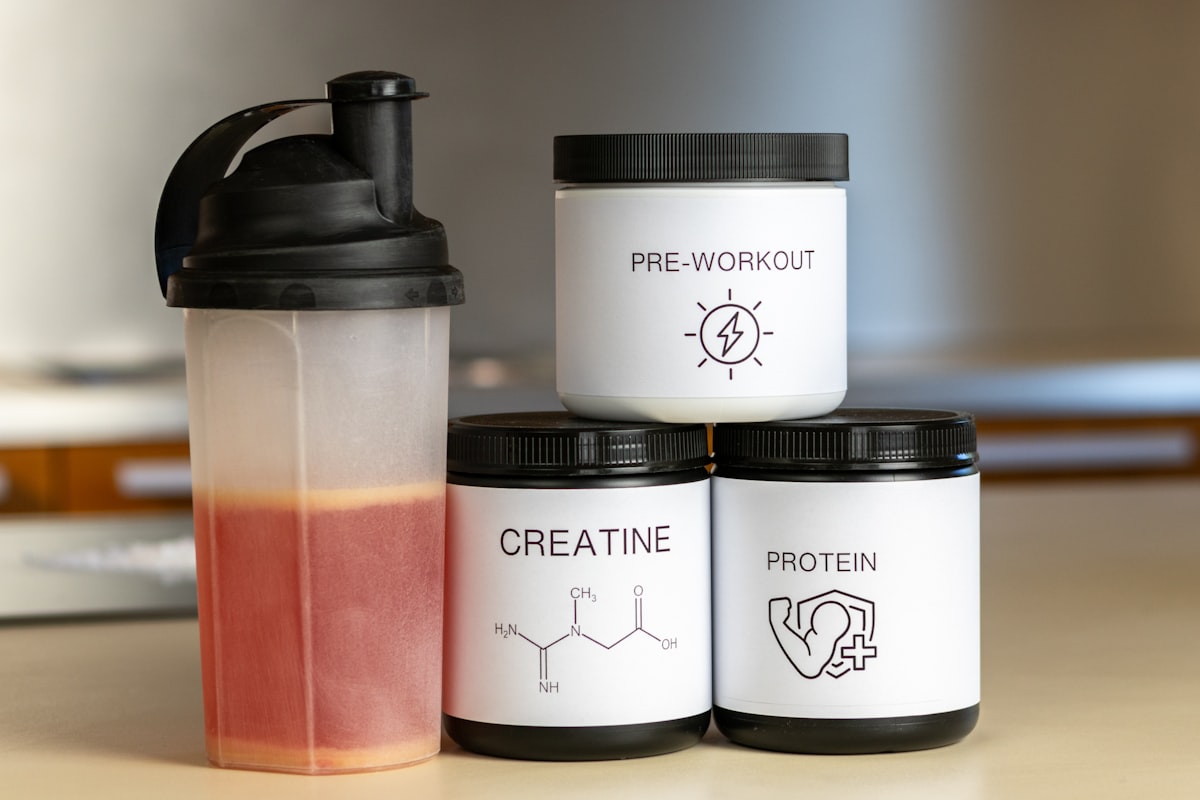
Essential Recovery Nutrients
These key components work together to accelerate your body's natural recovery process and optimise training adaptations.
Protein
Provides amino acids essential for muscle repair and new muscle tissue synthesis. Post-workout, aim for 20-40 grams from quality sources like eggs, chicken, Greek yoghurt, or legumes to maximise protein synthesis rates.
Best sources: Lean meats, fish, dairy, plant-based options.
Carbohydrates
Rapidly replenish depleted glycogen stores and spike insulin—a hormone that drives amino acids into muscles for accelerated recovery. High-glycemic options work best in the immediate post-workout window.
Best sources: White rice, bananas, oats, sweet potatoes, bread.
Hydration
Rehydrate to replace fluids lost through sweat and support all recovery processes at the cellular level. Even mild dehydration impairs muscle protein synthesis and slows nutrient transport.
Best sources: Water, electrolyte drinks, coconut water.
Micronutrients
Vitamins and minerals support enzyme function, energy production, and inflammation regulation. Zinc, magnesium, vitamin C, and B-vitamins are particularly important for active recovery.
Best sources: Fruits, vegetables, nuts, whole grains.
Healthy Fats
Support hormone production, reduce inflammation, and improve nutrient absorption. While not the priority immediately post-workout, fats are essential for overall recovery and should feature in post-workout meals within 2-3 hours.
Best sources: Avocados, olive oil, nuts, fatty fish.
Antioxidants
Help manage exercise-induced oxidative stress and support recovery processes. Polyphenols from berries, dark chocolate, and green tea assist your body's natural inflammation control systems.
Best sources: Berries, dark chocolate, green tea, pomegranate.
4-Step Recovery Nutrition Framework
A practical system you can implement immediately to optimise every training session's results.
Immediate Window (0-30 Minutes)
Your muscles are maximally sensitised to nutrient uptake. Consume easily digestible carbohydrates and protein—think chocolate milk, a banana with Greek yoghurt, or a simple chicken and rice combination. This fast-acting nutrition kickstarts the recovery process immediately.
Goal: 30-40g carbs + 15-25g protein within 30 minutes.
Rehydration Phase (0-60 Minutes)
Replace fluids systematically—aim for 150% of your sweat losses. If you've lost significant weight of body weight through sweat, drink 1.5 litres over the next 4 hours. Include sodium to support fluid retention and electrolyte balance, helping your body absorb and utilise the water effectively.
Goal: 500-750ml fluid per 30 minutes post-workout.
Complete Recovery Meal (1-3 Hours)
Eat a balanced whole-food meal including lean protein, complex carbohydrates, healthy fats, and plenty of vegetables. This comprehensive approach provides all micronutrients your body needs and extends recovery benefits well beyond the initial window. This meal stabilises blood sugar and supports ongoing tissue repair.
Goal: 30-40g protein + 60-80g carbs + vegetables + healthy fat.
24-Hour Consistency
Recovery doesn't end after one meal—it's a 24-hour process. Maintain adequate daily protein intake (0.7-1g per pound of bodyweight), stay consistently hydrated, and ensure each meal contains nutrient-dense whole foods. This pattern supports accumulated recovery benefits and sets you up for consistent training performance.
Goal: Balanced nutrition at each meal, steady hydration throughout the day.
Real Results from Active Men
Discover how community members transformed their training and recovery through better nutrition practices.
"I was training hard but feeling constantly sore and fatigued. After implementing proper post-workout nutrition—specifically getting carbs and protein within 30 minutes—my recovery felt much faster. I'm now training harder, feeling fresher, and noticing strength gains I hadn't seen in months. The framework from Dynamicwellnesscore made it practical, not overwhelming."
James Murphy, Manchester
Strength training, 5 years experience
"As a runner training for half marathons, I thought recovery nutrition was just for bodybuilders. I was wrong. Learning how to strategically fuel post-long run sessions has transformed my performance. I recover faster, my energy levels are stable throughout the day, and I'm actually enjoying my training more because I'm not constantly fighting fatigue."
Simon Parker, London
Distance running, 3 years experience
Ready to Optimise Your Recovery?
Explore our comprehensive nutrition guides and discover evidence-based strategies tailored for active men in the UK.
Read Our Nutrition GuideRecovery Nutrition Questions Answered
Practical answers to the most common questions about post-workout recovery and nutrition timing.
The optimal window for maximum muscle protein synthesis is approximately 30 to 60 minutes post-workout, though recent research suggests the window extends longer than once thought, especially if you've eaten adequately earlier. However, getting nutrients in quickly provides psychological benefits and ensures you don't miss the enhanced absorption window. If you can't eat within 30 minutes, a quick carb and protein combination (like a banana with peanut butter) followed by a complete meal within 2 hours still supports effective recovery.
Supplements can be convenient tools, but they shouldn't be your foundation. Whole foods provide protein, carbs, and micronutrients in a complete package your body recognises and processes efficiently. A piece of grilled chicken, rice, and vegetables provides more micronutrient support than a protein shake. That said, a shake is far superior to nothing when whole food isn't immediately available. Think of supplements as backup options, not replacements for real food-based recovery strategies.
Research indicates 20 to 40 grams of quality protein is the effective range for maximising muscle protein synthesis post-workout. More than 40 grams doesn't provide additional benefit in a single meal—your body can only utilise so much in one sitting. The quality of protein matters too: animal-based sources (meat, eggs, dairy) contain all essential amino acids in optimal ratios, while plant sources often require combination to provide complete amino acid profiles.
While overall daily nutrition is foundational, your post-workout nutrition timing provides a distinct advantage. Your muscles are hyperresponsive to nutrients immediately post-exercise—meaning they absorb and utilise nutrients more efficiently than at rest. This doesn't mean missing post-workout nutrition destroys your progress, but capitalising on this window accelerates recovery and adaptations. Think of it as optimisation—your daily nutrition baseline matters most, but strategic post-workout timing is the difference between good results and excellent results.
Prioritise a quick, easily digestible post-workout snack (Greek yoghurt, a smoothie, or sports drink) immediately post-exercise, then eat your complete recovery meal within 2-3 hours. Don't skip recovery nutrition because timing isn't perfect—this common mistake costs more in recovery quality than the slight difference between immediate and slightly-delayed feeding. A well-planned evening snack (not heavy or disruptive to sleep) followed by a substantial meal 1-2 hours later works excellently for evening training.
Rest days still involve recovery—muscle repair and adaptation continue throughout the day. Maintain adequate daily protein intake , aim for slightly lower calories than training days, and prioritize micronutrient-dense whole foods. Staying hydrated is equally important even when not exercising intensely.
Supplements are designed to complement, not replace, whole foods. They lack the fiber, phytonutrients, and synergistic compounds found in real food. Use supplements strategically—like protein powder for convenience—but build your foundation with nutrient-dense whole foods first.
Monitor key indicators: energy levels during workouts, sleep quality, muscle soreness duration, performance metrics, and body composition trends. Keep a simple log of meals and how you feel post-workout. Most people notice improvements in 2-3 weeks of consistent nutrition practices.
Client Success Stories
Real transformations from athletes who optimized their recovery nutrition with Dynamicwellnesscore guidance.
"After implementing the recovery nutrition plan, my muscle soreness dropped by 60% and I hit new PRs within 3 weeks. The structured approach made everything simple."
James Mitchell
Competitive CrossFit Athlete
"Finally understand why I was always tired. Better nutrition timing and protein intake transformed my energy and body composition in just 6 weeks."
Sarah Rodriguez
Marathon Runner & Coach
"The comprehensive recovery strategies at Dynamicwellnesscore helped me extend my athletic career by years. Best investment in my health."
David Kim
Professional Tennis Player
Ready to Transform Your Recovery?
Don't leave gains on the table. Start optimizing your recovery nutrition today with Dynamicwellnesscore's science-backed strategies and personalized guidance.
Your health data is 100% secure and private.